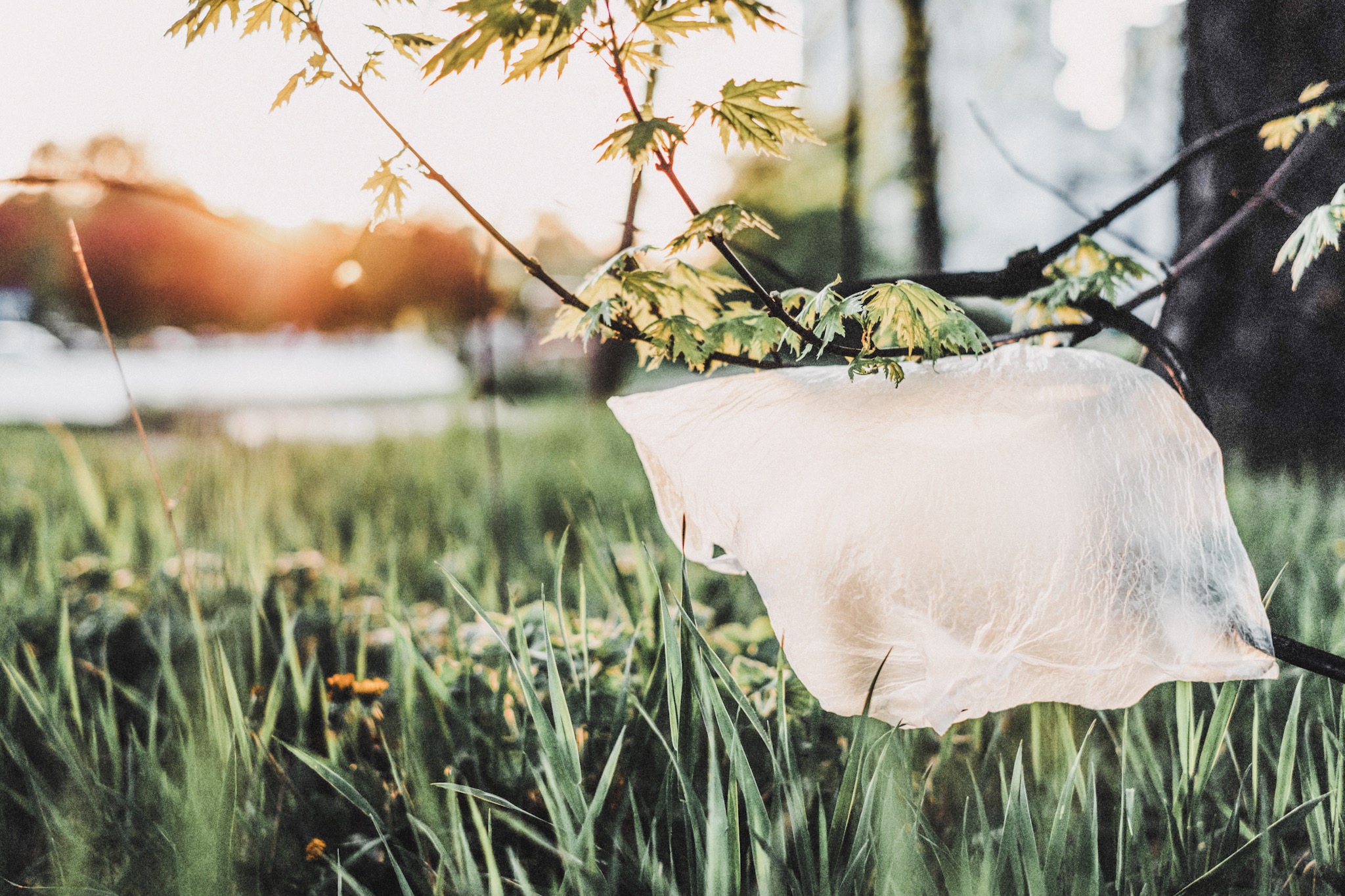
We only have one planet. And unless we can find another planet and come up with a plan to move everyone to it – we need to take care of our precious Earth.
I have hope that there are smart people out there somewhere figuring out how we can fix what we’ve already broken, but until then my family has made some small changes in our daily lives to reduce our impact on the environment.
Some of these changes are simple, others take a little more effort, but I believe that the future of our planet is worth a few more seconds (or dollars) here and there.
*The only affiliate link used in this post is the Brandless referral link. All other recommendations are based on products my family uses, and all opinions are my own.*
Ditch the plastic straws.
While some restaurants are already on board with either not supplying straws or at least asking if you want one, most places we visit still give you a straw (or three!) right off the bat. We have started letting our server know that we don’t want straws as soon as they take our drink order.
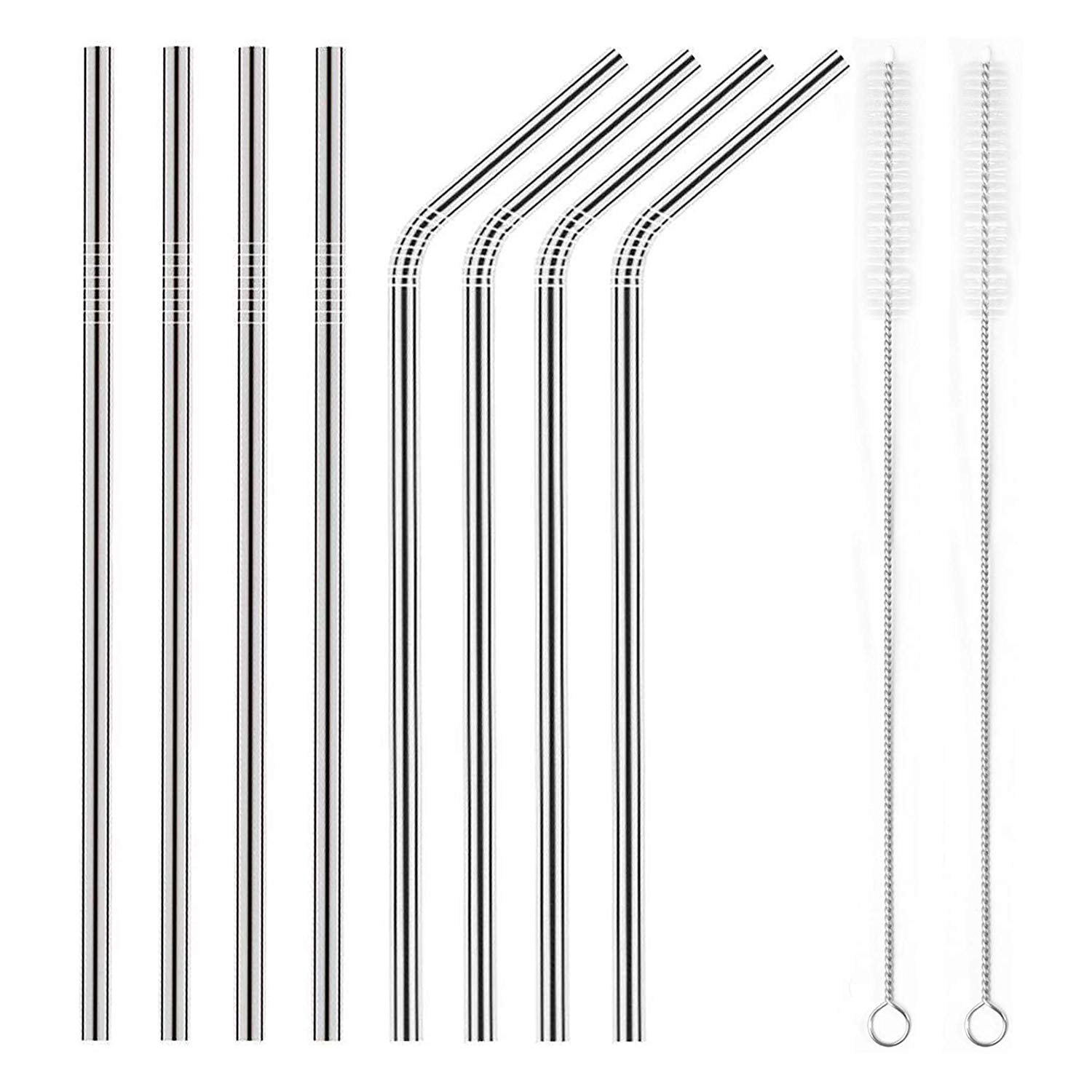
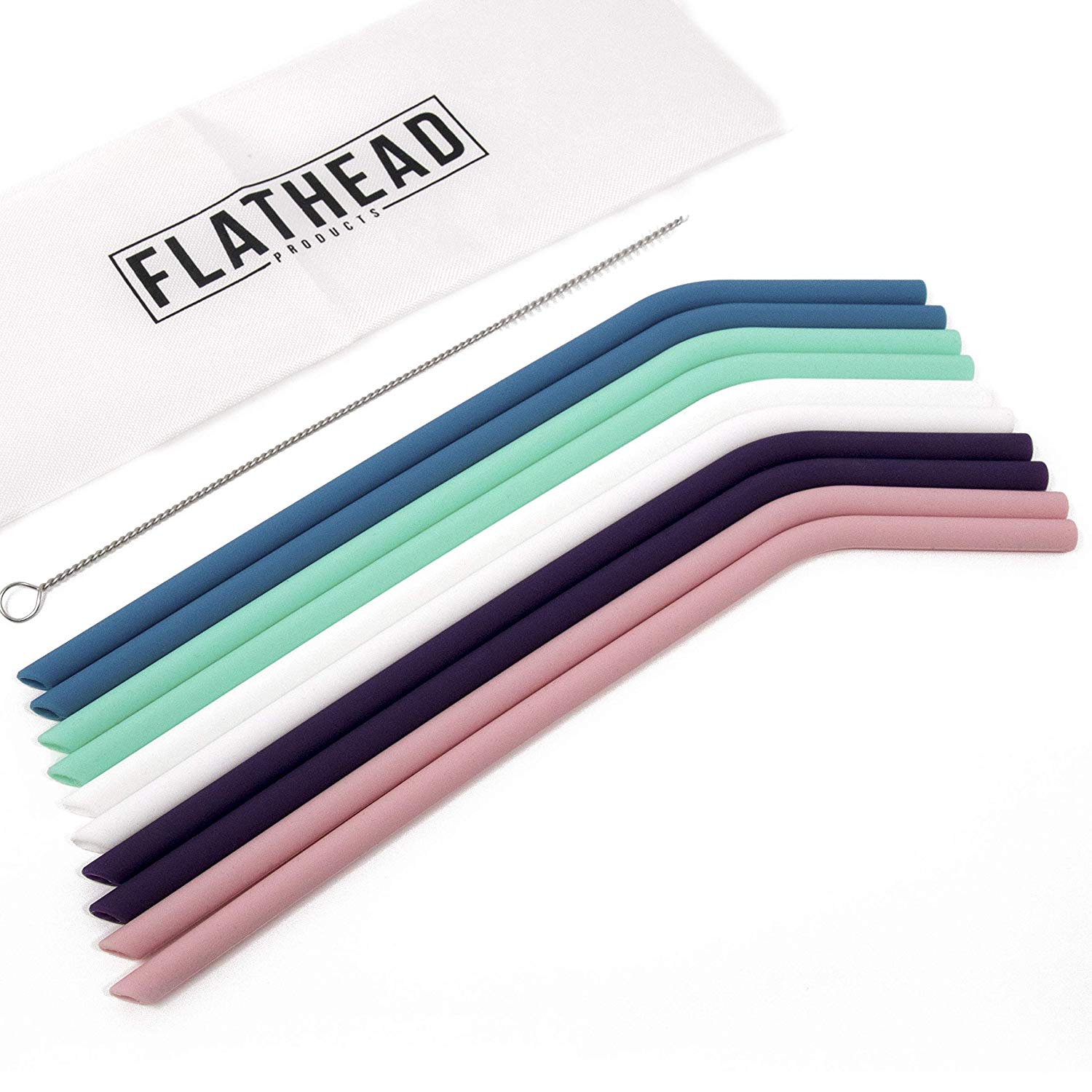
I do prefer to drink through a straw though, so we keep a set of reusable straws in the diaper bag and/or my purse to use instead. The two most popular types of reusable straws are probably stainless and silicone. There are pros and cons to both, but either allows you to enjoy your drink while preserving our oceans, which is where most plastic straws end up.
[Parent tip: the silicone straws are very bendy, which comes in handy for the kiddie cups!]
Trade paper napkins for cloth.
In the U.S., we use 3,000 tons of paper towels a day. A day! In order to make that amount of paper towels, 51,000 trees are cut down and 60 million gallons of water are consumed. Think about that the next time you use a paper towel for all of 30 seconds and toss it in the trash. Imagine how many trees we could save if we reduced our reliance on this product.
Our family recently made the switch from paper towels to cloth napkins. We each have our own color napkin and use them several times before we wash them. It has probably been the most impactful change we have made so far.
It was easy, and affordable. We purchased ours on Etsy (support small business!), but there are plenty of cloth napkin options out there. Kitschy or classic, find something that works for your family to ensure that you will stick with it.
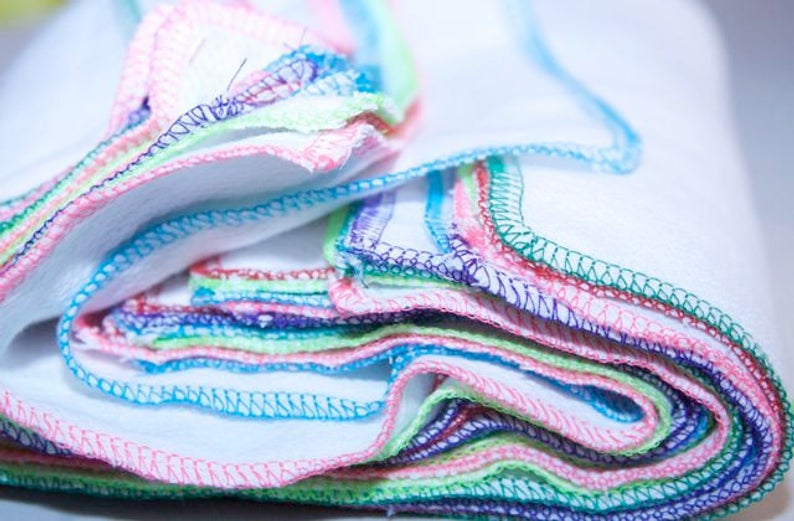
We started using these cloth napkins at the end of February, right after we purchased a 12-pack of paper towels. I am happy to report that we still have 10 unused rolls. Before making the switch, we would have likely gone through at least those 12 rolls, maybe more in this same timeframe. We are still using paper towels for cleaning and heavy dinner messes (we do have two littles and two dogs living with us!), but once we are through this stock of paper towels, we will likely purchase these bamboo (heavy duty, eco-friendly, machine washable) towels for those same needs in the future.
No more aluminum foil.
Did you know it takes aluminum foil 400 years to decompose? Not to mention the amount of resources it takes to make it in the first place. Here are a few ways you can reduce your use of aluminum foil in your home:
Reusable lids
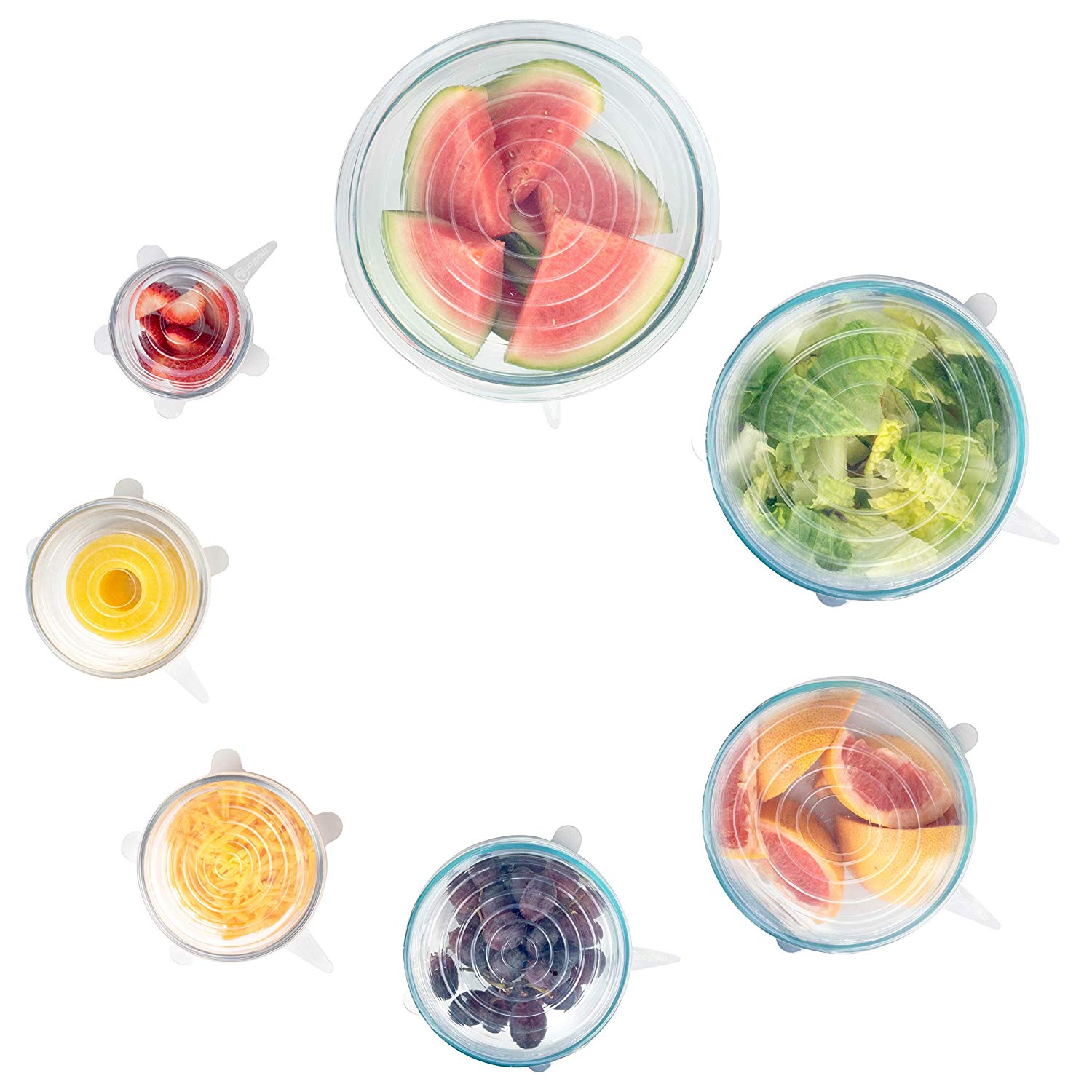
Instead of wrapping half of the uneaten watermelon in aluminum foil, try a reusable silicon lid. These handy lids come in many different sizes, allowing you to cover anything from a can to a large mixing bowl, without waste.
Silicone mats
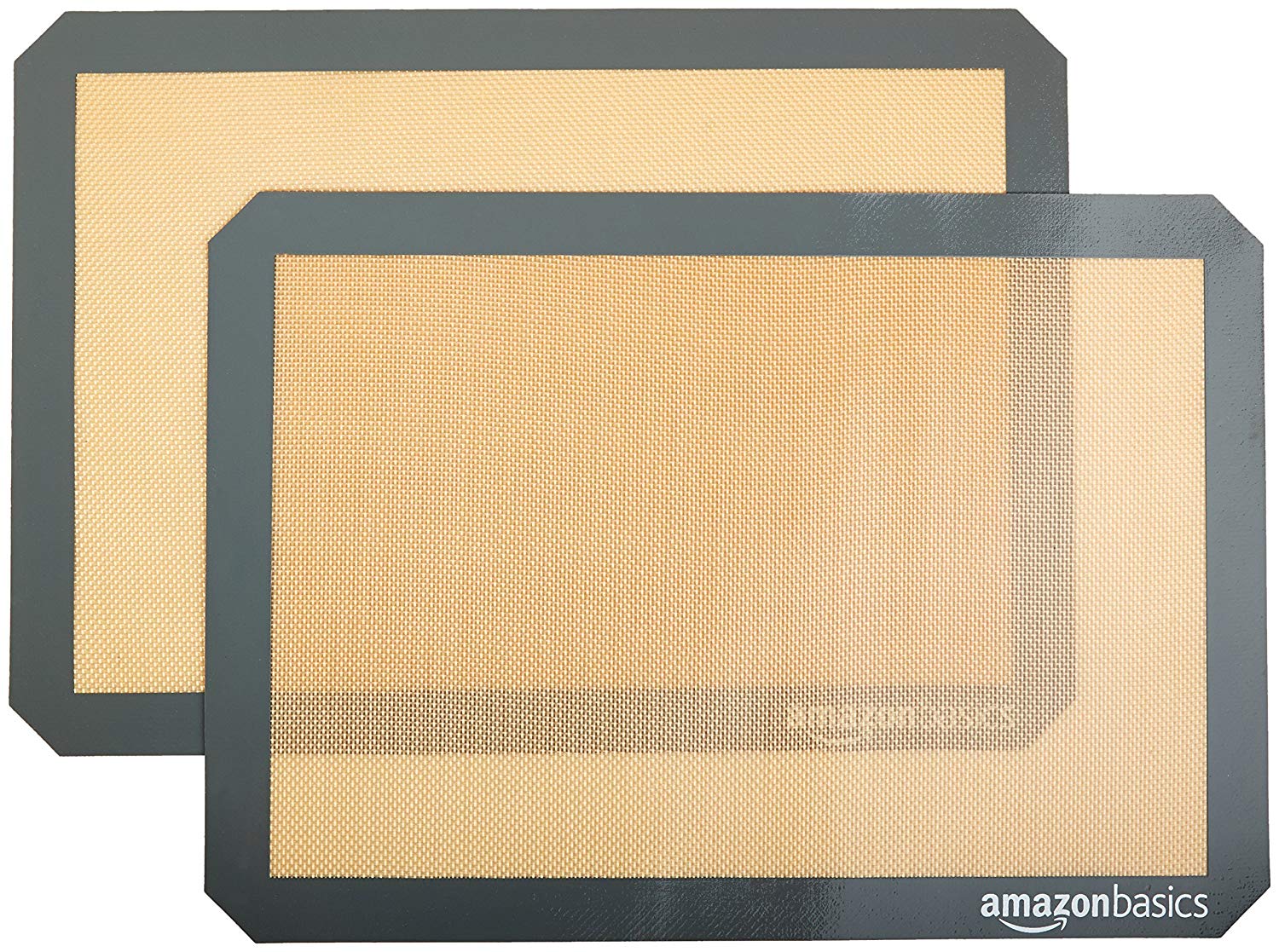
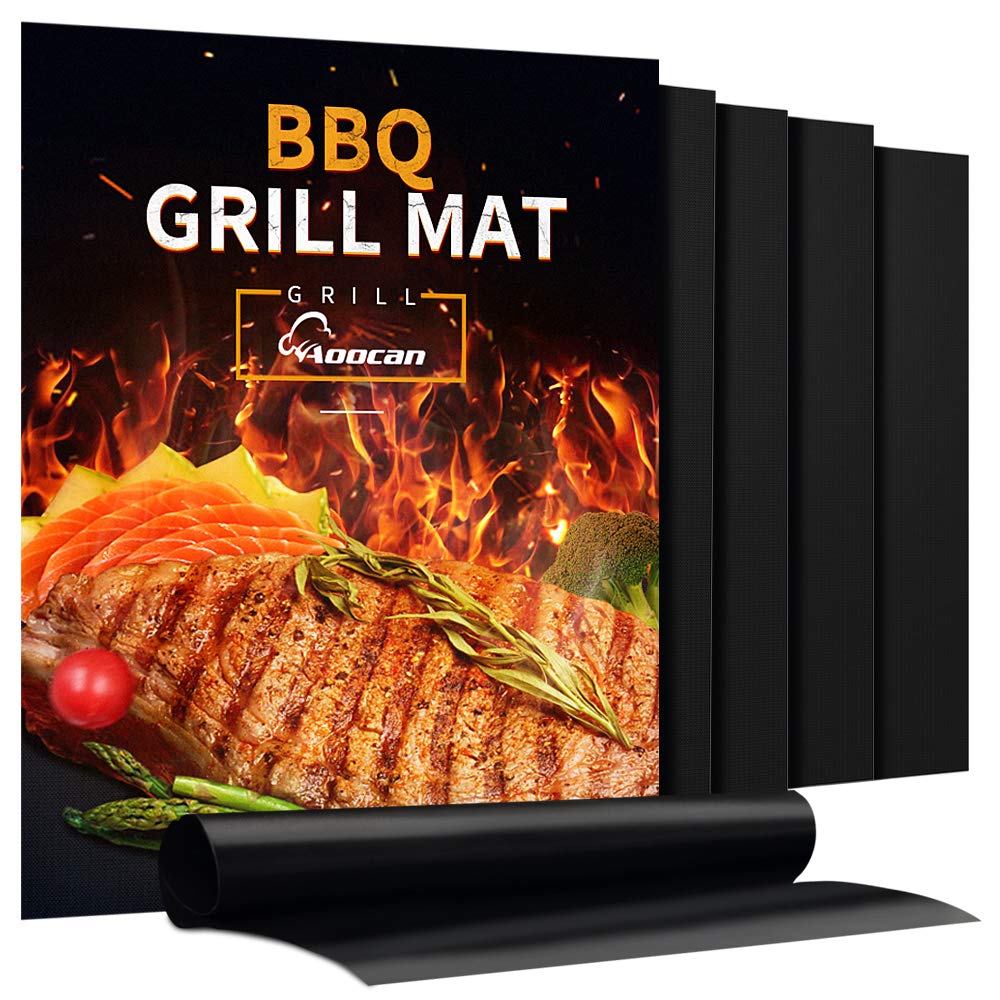
Don’t line your cookie sheet or outdoor grill with aluminum foil, instead try out silicone mats.
Beeswax wraps
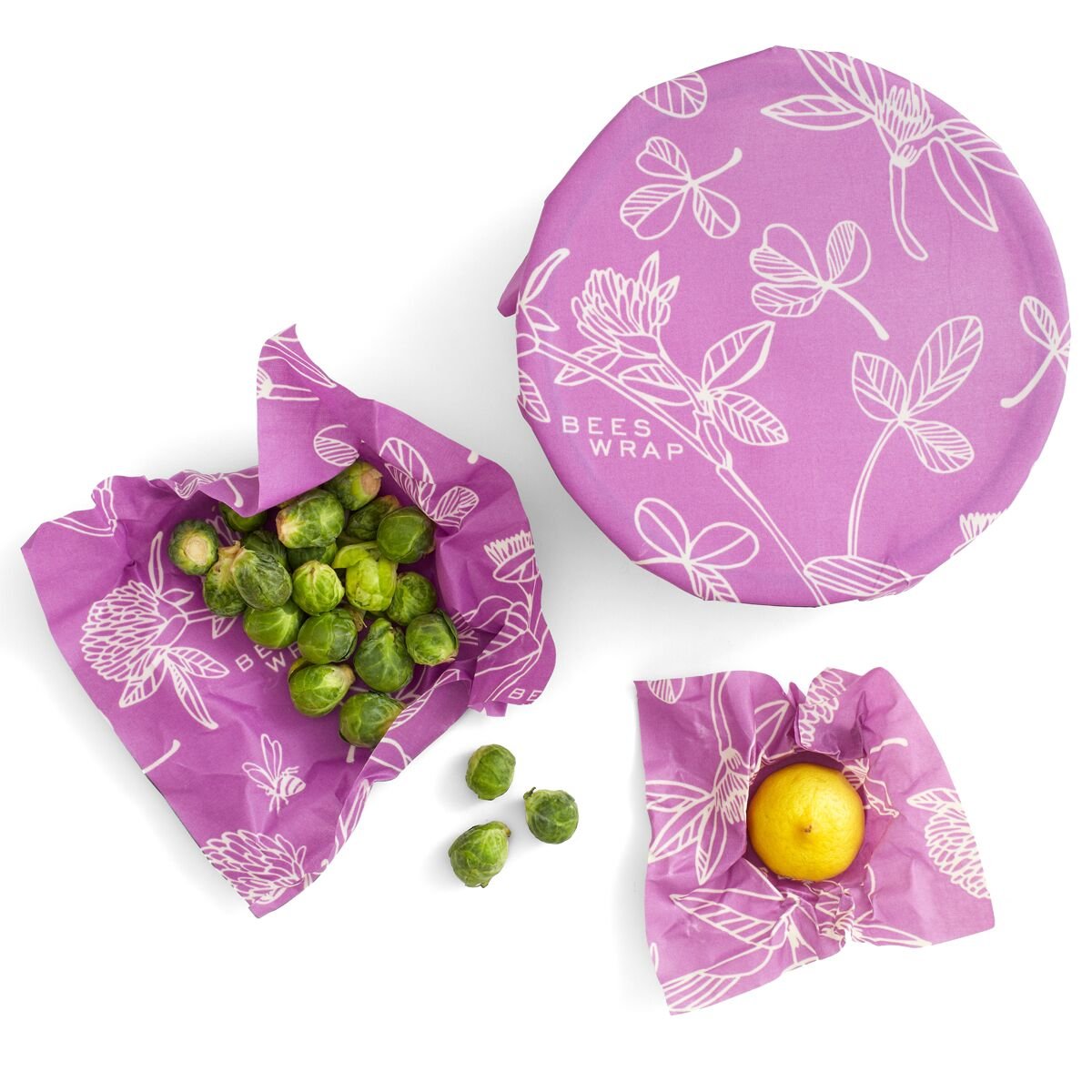
A great, eco-friendly replacement for aluminum foil (and plastic wrap!), beeswax wraps are reusable and last about a year when used several times a week.
Cut out the plastic bags.
Using paper or reusable grocery bags instead of plastic is only one way you can reduce waste. How many plastic bags does your family use for lunches or snacks? There are great options that are easy to use, and fun!
Bento-style lunch box
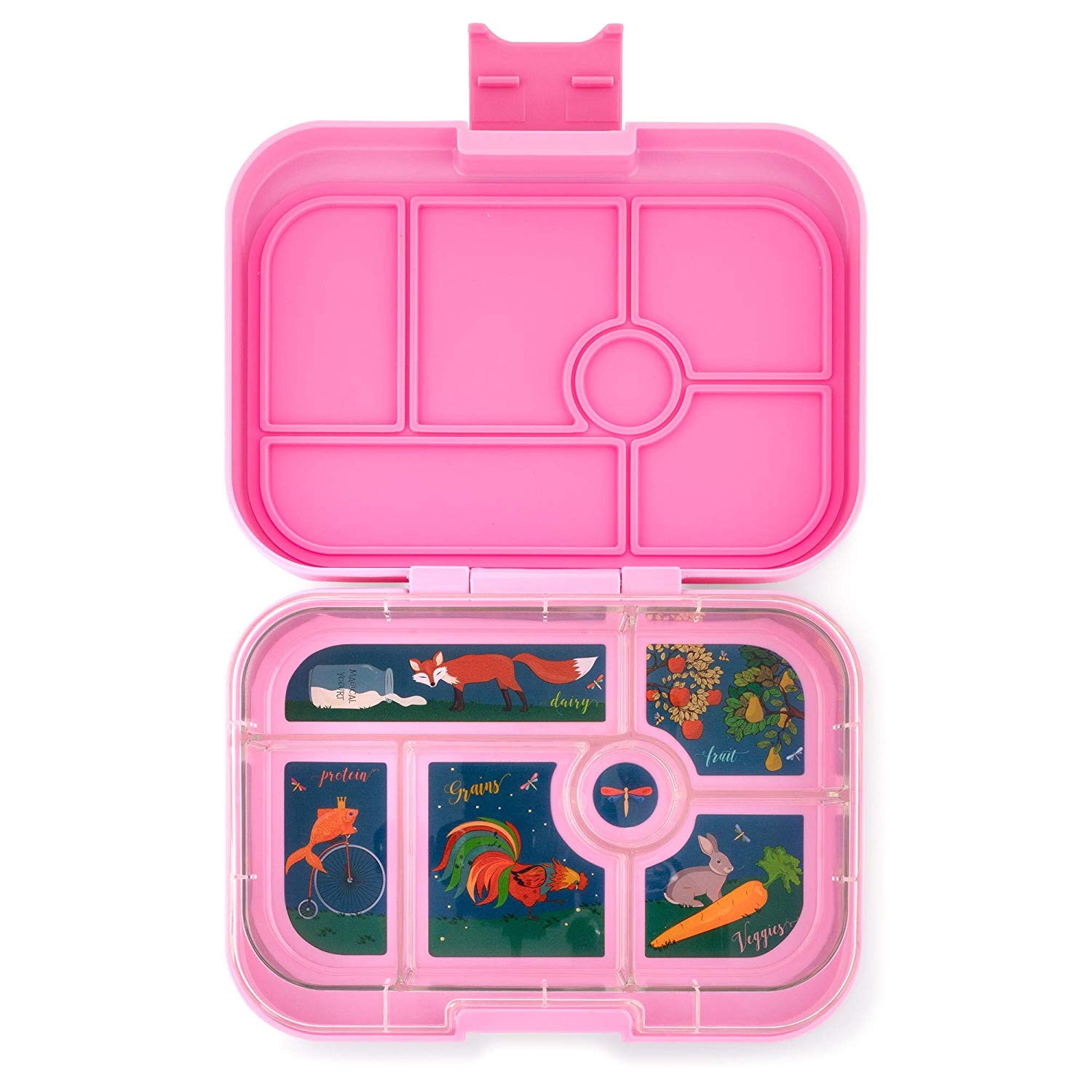
My daughter just recently started attending a preschool where we pack her lunch daily. I realized I was about to start needing a lot of plastic sandwich and snack bags. Instead, I decided to try out a Bento-style lunch box. Not only does it eliminate our need for plastic bags, but my daughter loves to eat her lunch out of it.
[Parent tip: Bento lunch boxes also help with planning balanced meals. Ours has sections that are labeled for the important food groups!]
Reusable sandwich and snack bags
With a growing toddler comes the need for snacks on the go. Our diaper bag is always stocked with snacks because we are usually out-and-about when she requests a snack (or twelve!).
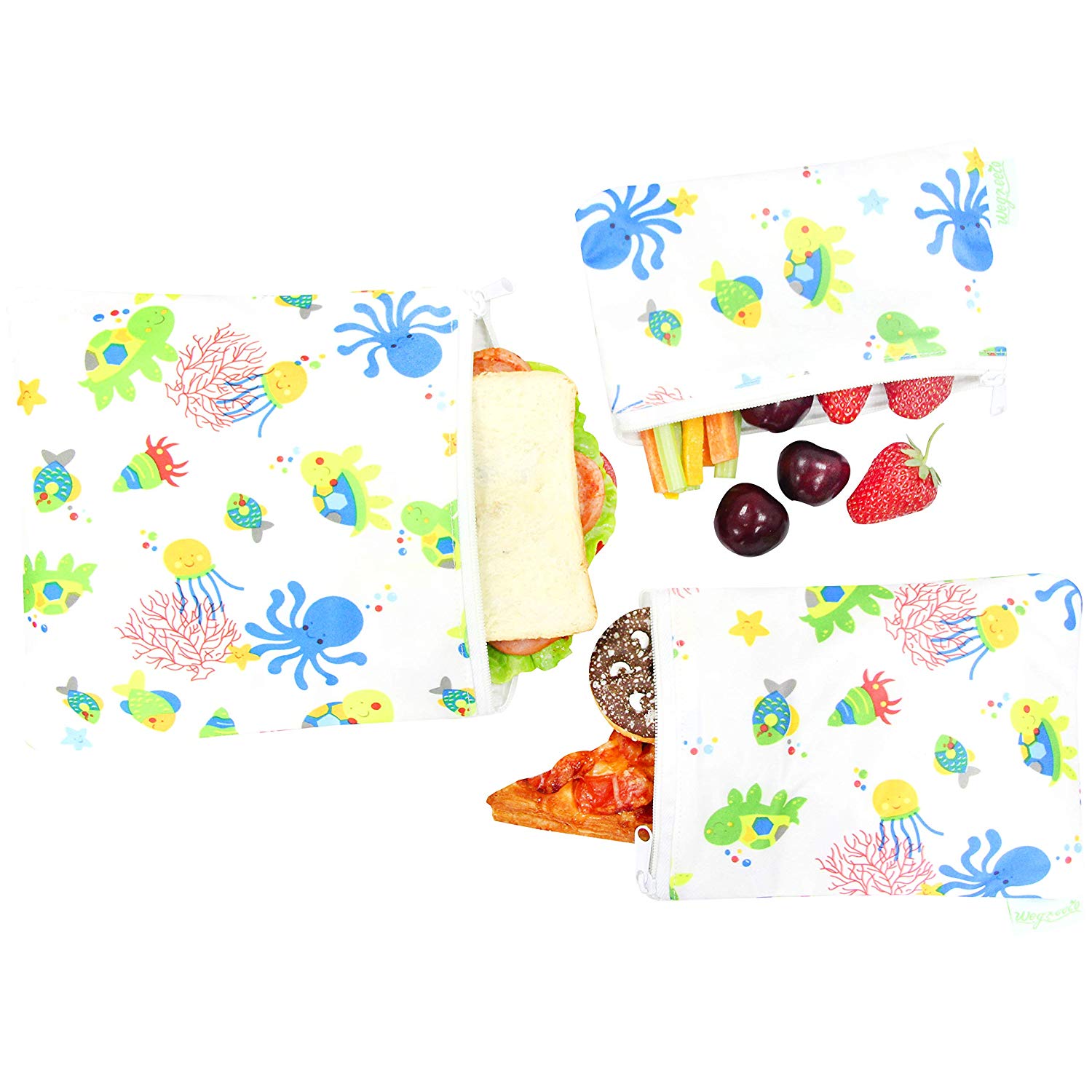
These reusable (and washable) sandwich and snack bags are a great alternative to plastic. And better yet – you can use them to organize non food items as well. We have one full of crayons and sticker books for on the go activities.
Don’t forget to cut back on plastic containers.
I never realized how much plastic existed in our home until I took stock of all of the cleaning bottles, soap containers and coffee pods filling our cabinets.
Refillable cleaner bottles
Not only are typical cleaning solutions full of unnecessary chemicals, the come in one-time use bottles. But there are better options out there.
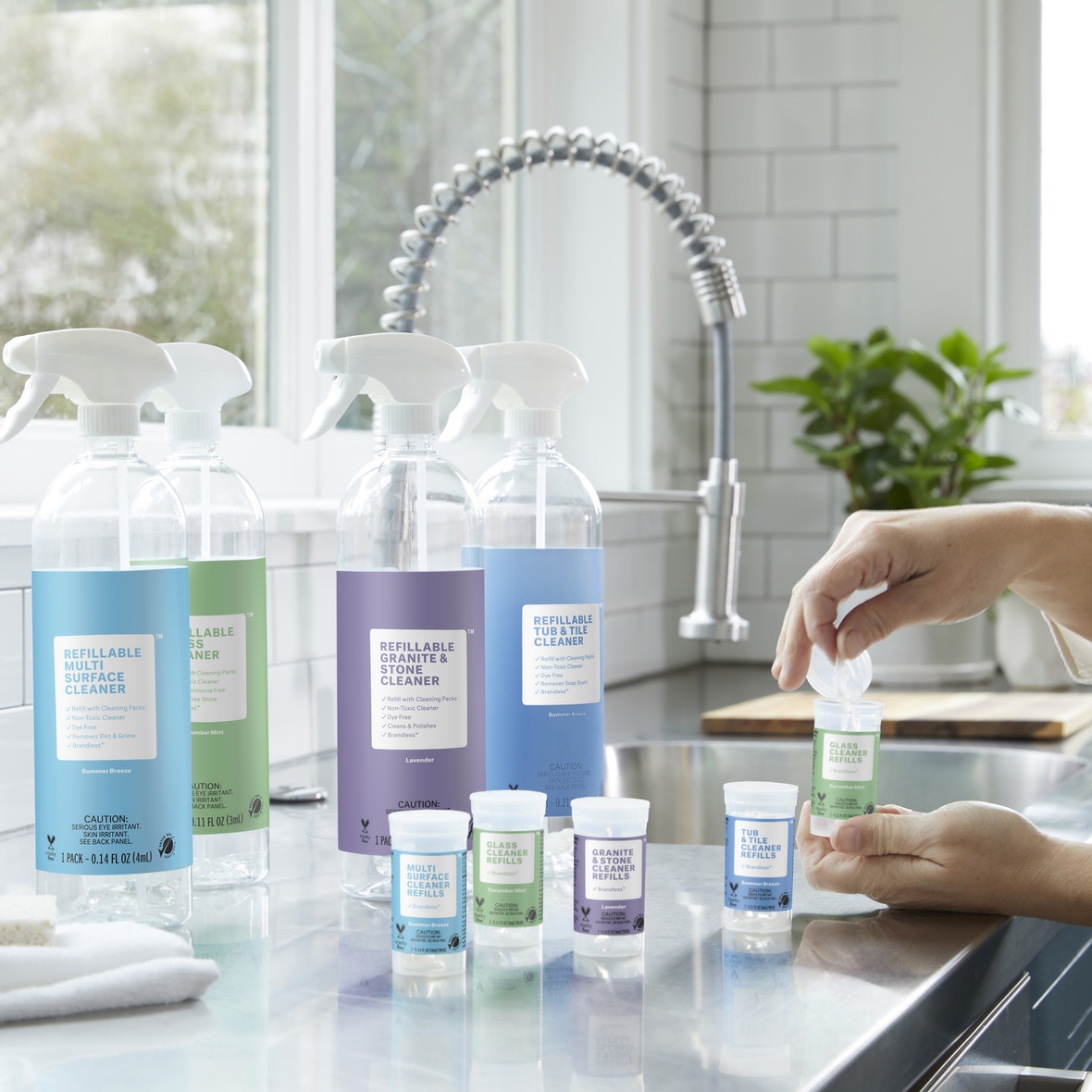
Brandless offers non-toxic concentrate packs that you can add to refillable spray bottles. Just add water, shake and get to cleaning! If you don’t have a bottle, you can purchase a starter kit that includes one concentrate packet. They offer these kits for multi-surface cleaner, glass cleaner, tub and tile cleaner and granite and stone cleaner.
You can even buy a bundle of three cleaner kits that comes with a 2-pack of tree free paper towels!
Reusable coffee pod
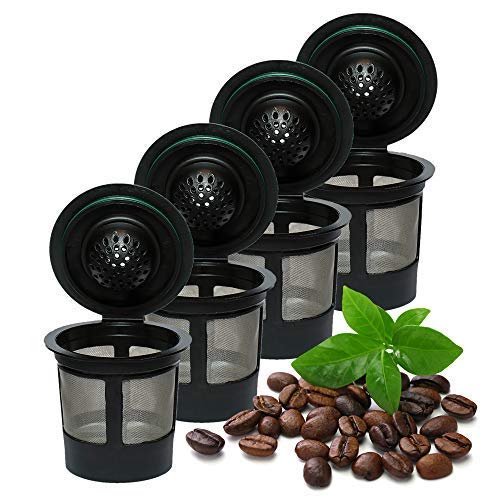
K cups make the morning so much easier. But the pods are often made of plastic, and definitely not eco-friendly. We’ve been trying to purchase coffee grounds to fill our reusable coffee pod instead. It does take a few seconds longer, but I think it is worth it in the long run. The good news is that you can often find better flavors in the coffee grounds, and it is usually cheaper than buying the pre-made pods.
These are just a few fairly simple ways you can reduce your family’s waste. Trying one or two of these things products will not only have a positive impact on the environment, but it will open your eyes to even more ways you can change your ways.
The more you know, the better you can do. I hope that this list helps you feel empowered to make small changes that lead to a significant impact.
 pictureimperfect.family.blog